India’s Online Education Boom: Tier 2 - 3 Cities Lead 2026
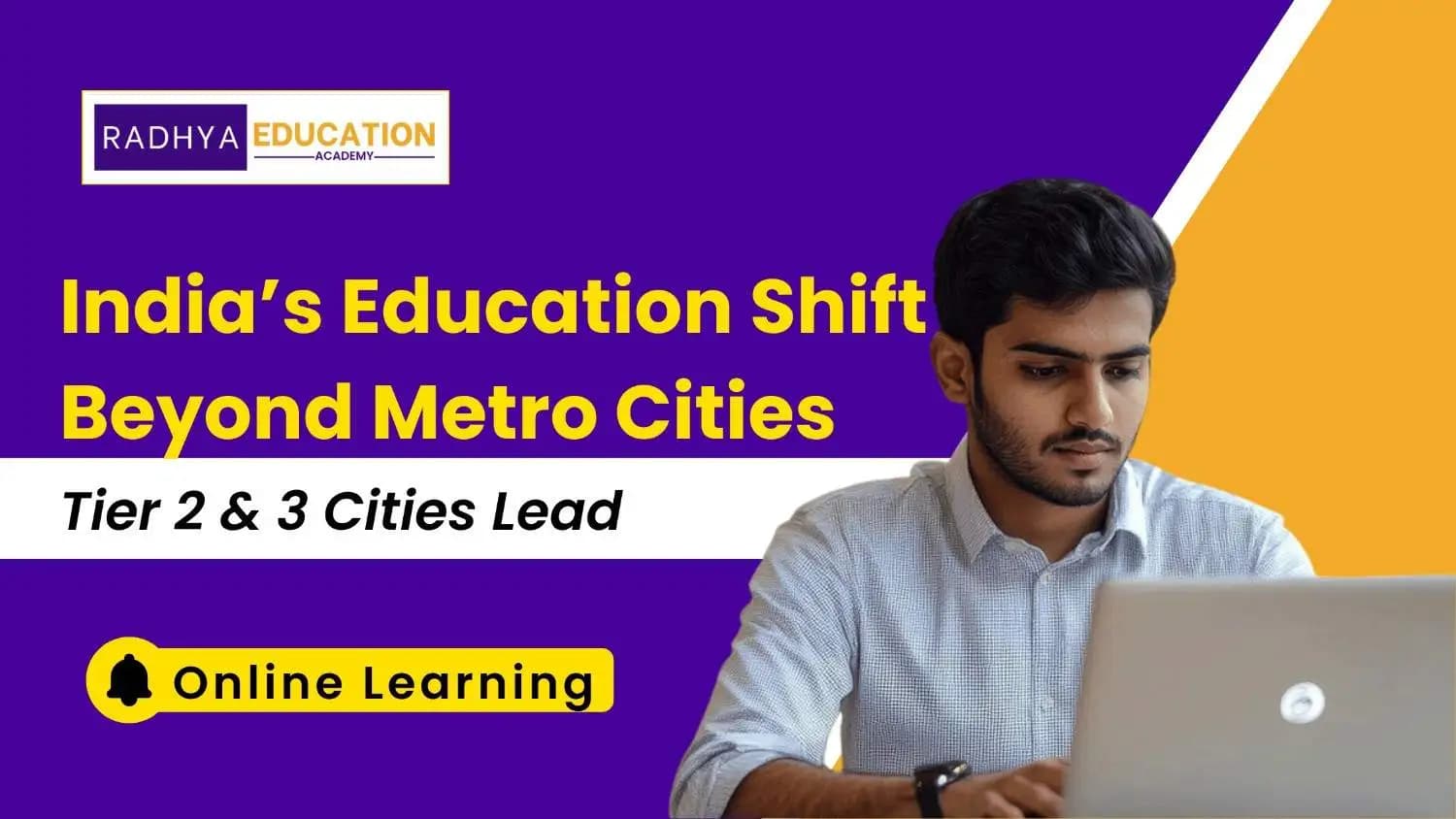
India’s Next Online Education Wave Driven by Tier 2 and Tier 3 Cities
India's online education sector is entering a new phase of expansion and a major transformation is taking place in 2026. According to recent insights the next wave of growth is no longer being driven by metro cities but by learners in Tier 2 and Tier 3 regions. This marks a fundamental shift in how digital education is evolving across the country.
For years online learning platforms primarily targeted urban audiences due to better infrastructure and digital access. However the situation has changed rapidly. Smaller cities are now emerging as powerful contributors to the growth of online higher education driven by rising aspirations affordability needs and improved digital connectivity.
Industry experts emphasize that India is not a single homogeneous market but a diverse ecosystem where regional needs differ significantly. Education models that worked in metro cities are now being redesigned to cater to learners from smaller towns.
This shift highlights a new reality India's education future is no longer metro driven but Bharat driven.
Confused About Choosing the Right Online Course
Get FREE Career Counselling and find the best program for your goals
Why Tier 2 and Tier 3 Cities Are Driving Online Education Growth
The rapid growth of online education in Tier 2 and Tier 3 cities is being fueled by several structural and social factors. One of the most important drivers is the increasing aspiration among students in smaller cities to access quality education and better career opportunities.
Unlike earlier years students no longer need to relocate to metro cities to pursue higher education. Online platforms have made it possible to access the same quality of education from anywhere. This has significantly reduced financial burden and expanded access.
Additionally affordability plays a major role. Traditional education in metropolitan areas often involves high costs related to tuition accommodation and travel. Online education provides a more cost effective alternative making it attractive to students from middle income backgrounds.
Another key factor is the growing awareness of career oriented courses. Students are now focusing on degrees and certifications that directly improve employability.
Tier 2 and Tier 3 cities are becoming the new growth engine of India's digital education ecosystem.
Mobile First Learning The Biggest Game Changer
One of the most critical insights from the current online education trend is India’s shift toward mobile first learning. Studies show that nearly 79 percent of students attend online classes using smartphones while only a small percentage rely on laptops or desktops.
This trend has forced education providers to rethink their delivery models. Content that was previously designed for large screens is now being optimized for mobile devices. This includes shorter video formats simplified interfaces and low data consumption features.
Mobile first learning is particularly important in smaller cities where access to high end devices and stable internet connections may be limited. Smartphones provide a more accessible and affordable solution for learners.
Key Implications:
- Content designed for smaller screens
- Adaptation to low bandwidth environments
- Increased accessibility for remote learners
Mobile learning is not just a trend it is the foundation of online education growth in India.
Role of UGC and Policy Support in Online Education Expansion
The rapid expansion of online education in India is also supported by strong policy frameworks. The University Grants Commission UGC has played a crucial role by recognizing and regulating online degree programs.
Under recent regulations online degrees from approved institutions are considered equivalent to traditional degrees. This has significantly improved trust among students and employers encouraging more learners to opt for online education.
Policy initiatives under the National Education Policy NEP 2020 have further strengthened this ecosystem by promoting flexibility digital learning and multidisciplinary education.
Policy Impact:
- Increased credibility of online degrees
- Growth of university led online programs
- Shift from short courses to full degrees
Experts highlight that this regulatory clarity has transformed online education from a supplementary option into a mainstream pathway for higher education.
Government support has been a key driver in making online education credible and widely accepted.
Industry Collaboration and Employability Focus
One of the most important aspects of the new online education wave is its focus on employability. Unlike traditional models that focus primarily on academic knowledge modern online programs are designed to improve job readiness.
Educational platforms are increasingly collaborating with industry leaders to provide practical exposure through internships projects and live sessions. These collaborations help students gain real world experience alongside their academic learning.
For example partnerships with companies in sectors like IT consulting and healthcare are enabling students to work on real business problems.
Key Employability Features:
- Industry led curriculum
- Internship opportunities
- Practical project based learning
This approach ensures that students are not just earning degrees but also developing skills that are directly relevant to the job market.
Online education is evolving from knowledge delivery to career focused learning.
Challenges in Reaching Non Metro Learners
While the growth potential in Tier 2 and Tier 3 cities is immense it also comes with unique challenges. One of the primary issues is digital accessibility including inconsistent internet connectivity and limited access to devices.
Another challenge is learner readiness. Students from smaller cities may require additional support in adapting to digital learning environments. This includes onboarding assistance mentorship and continuous guidance.
Experts emphasize the importance of localized support systems such as:
- WhatsApp based assistance
- IVR Interactive Voice Response support
- Regional facilitators
These solutions help bridge the gap between technology and usability making online education more inclusive.
Addressing these challenges is essential for ensuring sustainable growth of online education in India.
Future Outlook What Lies Ahead for Online Education in India
The future of online education in India looks highly promising with Tier 2 and Tier 3 cities expected to play a central role in its expansion. As digital infrastructure continues to improve more students will gain access to quality education.
India aims to increase its Gross Enrolment Ratio GER in higher education to 50 percent by 2035 which will further drive the adoption of online learning models.
Key Future Trends:
- Expansion of digital universities
- Growth in mobile first learning platforms
- Increased focus on employability
This transformation aligns with India's broader vision of becoming a knowledge driven economy and improving access to education for all.
The next phase of online education will be inclusive scalable and technology driven.
Build Your Career with the Right Online Degree
Talk to Radhya Education Academy and get FREE Career Counselling today
Conclusion
The shift toward Tier 2 and Tier 3 cities as drivers of online education growth marks a turning point in India's education system. It reflects a move toward inclusivity accessibility and career focused learning.
India's online education revolution is no longer limited to metros it is now powered by aspiring learners across the country.
In Case You Missed It
Manipal Jaipur Online MBA Admissions Open July 2026: Fees, Eligibility & Last Date
Mumbai University Distance MBA 2026: MMS Fees, Eligibility & Admission
Maharashtra College Admissions 2026: UG & PG Registration, CAP Process & Colleges
DY Patil Online MBA Admission 2026: Last Date, Fees, Eligibility & Specializations
NIMS University Jaipur Distance Education 2026: Courses, Fees & Admissions
IGNOU Online MBA Admission 2026: Complete Guide on Fees & Eligibility
Contact Us
Fill the form and our expert counsellor will connect with you shortly.
We hate annoying calls too. No spam, no sales calls
Join 10,000+ students who've transformed their careers