How Online Learning is Expanding Access to Higher Education : 2026
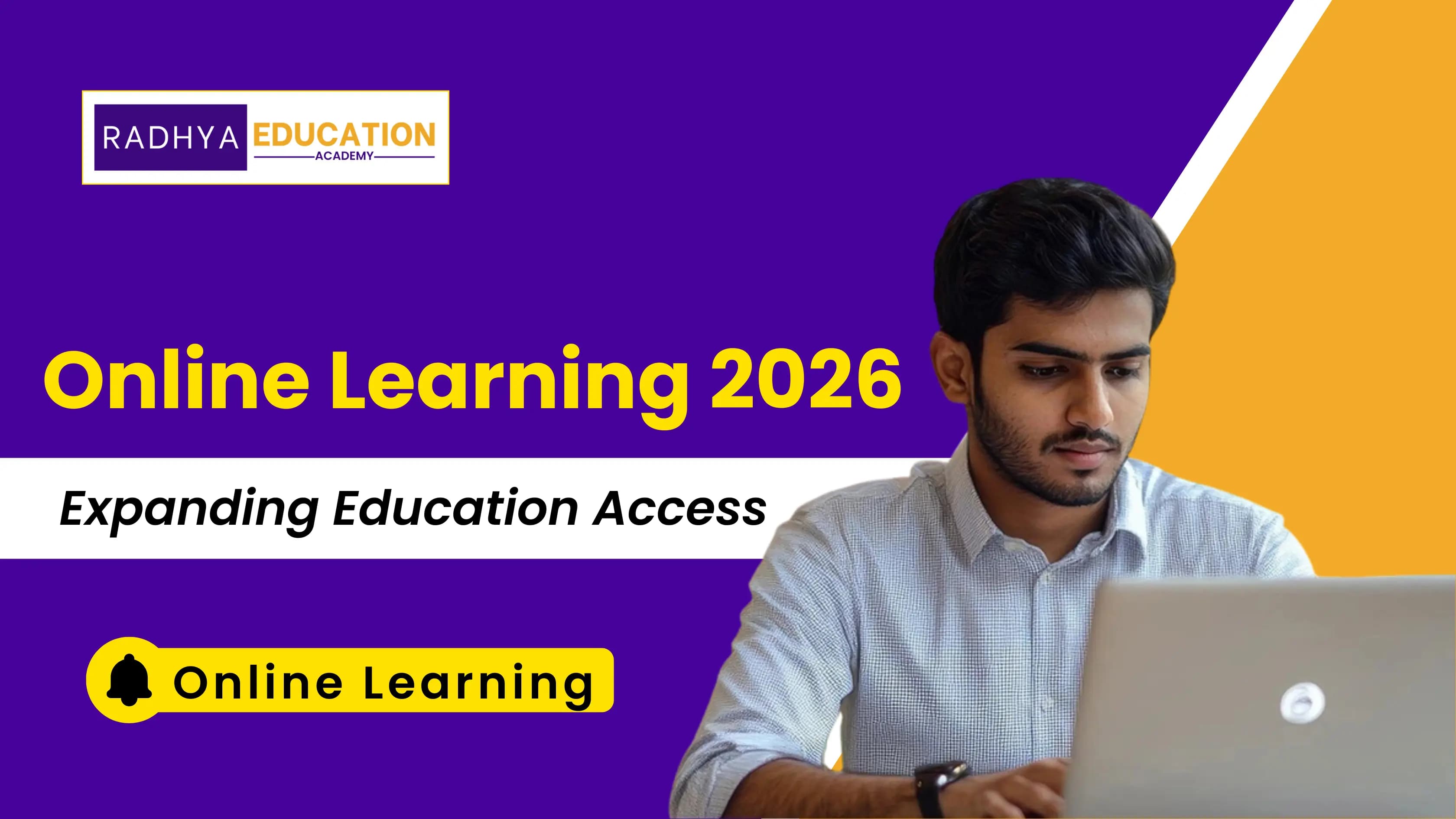
How Online Learning Opens Up Higher Education to a Broader Spectrum of Students
The rapid rise of digital education is transforming the global academic landscape, and one of the most significant developments is how online learning access to higher education is expanding opportunities for students from diverse backgrounds.
Traditionally, higher education was limited by geographical location, financial constraints, and rigid schedules. However, with the growth of online learning platforms, these barriers are gradually disappearing. Students who once struggled to access quality education can now enroll in top programs from anywhere in the world.
In 2026, this transformation is more evident than ever. Online learning is not just a convenience - it is becoming a gateway to inclusive, flexible, and accessible education.
Start Your Online Learning Journey Today
Secure Your Future with Expert Guidance
Talk to our experts & get FREE Career Counselling now.
The Rise of Online Learning in Higher Education
Online learning has evolved from a niche option to a mainstream mode of education. Advancements in technology, widespread internet access, and improved digital platforms have made it possible for institutions to deliver high-quality education online.
According to recent insights, online education has become a practical and popular alternative to traditional learning. Students can now access interactive learning systems, virtual classrooms, and digital resources that enhance the overall learning experience.
Key Factors Driving Growth:
- Increased access to digital devices
- Advanced edtech platforms
- Growing demand for flexible education
- Global acceptance of online degrees
These factors have made online learning an integral part of modern education.
Breaking Barriers: How Online Learning Expands Access
One of the most powerful impacts of online learning is its ability to remove traditional barriers to education.
In the past, students faced challenges such as:
- Limited access to universities
- High cost of relocation
- Time constraints due to work or family
Online learning addresses these issues by offering a flexible and accessible alternative.
Key Barriers Removed:
- Geographical limitations: Students in remote areas can access top universities
- Time constraints: Flexible schedules allow learning alongside work
- Financial barriers: Lower costs make education more affordable
Research shows that online learning can significantly increase access to education, especially for students with limited resources or mobility constraints.
This shift is making education more inclusive than ever before.
Flexibility: The Core Advantage of Online Learning
Flexibility is often cited as the most important advantage of online learning. Students are no longer required to follow rigid schedules or attend physical classes.
Online education allows learners to:
- Study at their own pace
- Choose when and where to learn
- Balance education with personal commitments
This flexibility is particularly beneficial for:
- Working professionals
- Parents
- Students with part-time jobs
Studies highlight that flexibility is one of the most commonly cited reasons students prefer online learning.
This makes higher education accessible to people who were previously excluded.
Inclusivity: Reaching a Broader Spectrum of Students
Online learning is not just about convenience—it is about inclusivity.
It provides opportunities for:
- Students in rural areas
- Individuals with disabilities
- Non-traditional learners
The digital nature of online education ensures that learning materials are accessible to a wider audience. Students can engage with content in different formats, making education more adaptable to individual needs.
Inclusive Features of Online Learning:
- Multiple language options
- Accessible content formats
- Customizable learning pace
This inclusivity is redefining the concept of higher education.
Affordability: Making Education More Accessible
Cost has always been a major barrier to higher education. Traditional degrees often involve high tuition fees, accommodation costs, and travel expenses.
Online learning significantly reduces these costs.
Cost Advantages:
- Lower tuition fees
- No relocation expenses
- Reduced transportation costs
Studies suggest that online education is more cost-effective, making it accessible to a larger group of students.
This affordability opens doors for students from economically weaker backgrounds.
Personalised Learning Experience
Another key benefit of online learning is personalization.
Unlike traditional classrooms, online platforms allow students to tailor their learning experience according to their needs.
Personalization Features:
- Self-paced learning
- Adaptive learning systems
- Customized course paths
Students can revisit lectures, focus on specific topics, and learn at a pace that suits them.
This improves both understanding and retention.
Global Learning Opportunities
Online learning connects students from different parts of the world, creating a global learning environment.
This exposure allows students to:
- Interact with diverse perspectives
- Learn from international faculty
- Build global networks
Online platforms enable collaboration across geographical boundaries, making education more interconnected.
This global exposure enhances both academic and professional growth.
Skill Development Through Online Learning
Online learning is not just about academic knowledge—it also helps students develop essential skills.
Key Skills Developed:
- Time management
- Self-discipline
- Digital literacy
- Problem-solving
Students learn to manage their schedules, meet deadlines, and work independently.
These skills are highly valued in today's job market.
Challenges of Online Learning
While online learning offers many benefits, it also comes with challenges.
Common Challenges:
- Lack of face-to-face interaction
- Need for self-motivation
- Dependence on internet connectivity
Some students may find it difficult to stay engaged or manage their time effectively.
However, these challenges can be overcome with proper support and discipline.
The Future of Online Learning in Higher Education
The future of higher education is increasingly digital.
Emerging Trends:
- AI-powered learning systems
- Hybrid education models
- Increased global collaboration
Online learning is expected to continue growing as technology advances and demand increases.
It will play a key role in shaping the future of education.
Confused About Choosing the Right Online Program?
Get FREE Career Counselling
Not all online courses offer the same value. Get FREE Career Counselling and choose the best program for your future.
Why Expert Guidance Matters
With so many online programs available, students need expert advice to make the right choice.
Radhya Education Academy helps you:
- Identify the best universities
- Compare programs and ROI
- Choose the right career path
We guide you toward smarter decisions.
Conclusion
Online learning has fundamentally changed how students access higher education. By removing geographical, financial, and time-related barriers, it has opened doors for a broader spectrum of learners.
From flexibility and affordability to inclusivity and global exposure, the benefits of online learning are reshaping education in 2026.
The future of education is accessible, flexible, and digital—and online learning is leading the way.
In Case You Missed It
Manipal Jaipur Online MBA Admissions Open July 2026: Fees, Eligibility & Last Date
Mumbai University Distance MBA 2026: MMS Fees, Eligibility & Admission
Maharashtra College Admissions 2026: UG & PG Registration, CAP Process & Colleges
DY Patil Online MBA Admission 2026: Last Date, Fees, Eligibility & Specializations
NIMS University Jaipur Distance Education 2026: Courses, Fees & Admissions
IGNOU Online MBA Admission 2026: Complete Guide on Fees & Eligibility
Contact Us
Fill the form and our expert counsellor will connect with you shortly.
We hate annoying calls too. No spam, no sales calls
Join 10,000+ students who've transformed their careers